

The Thrill of Risk: Understanding Our Attraction to Gambling
The appeal of casino games often stems from the thrill of risk. When players engage in activities like poker, slots, or roulette, they experience a rush that comes from putting their money on the line. This adrenaline can create an exhilarating feeling—one that many seek out deliberately. The unpredictable nature of these games taps into our primal instincts, where uncertainty can lead to an exciting outcome. In this exciting environment, many players also explore bitcoin gambling sites that offer unique opportunities and enhanced experiences.

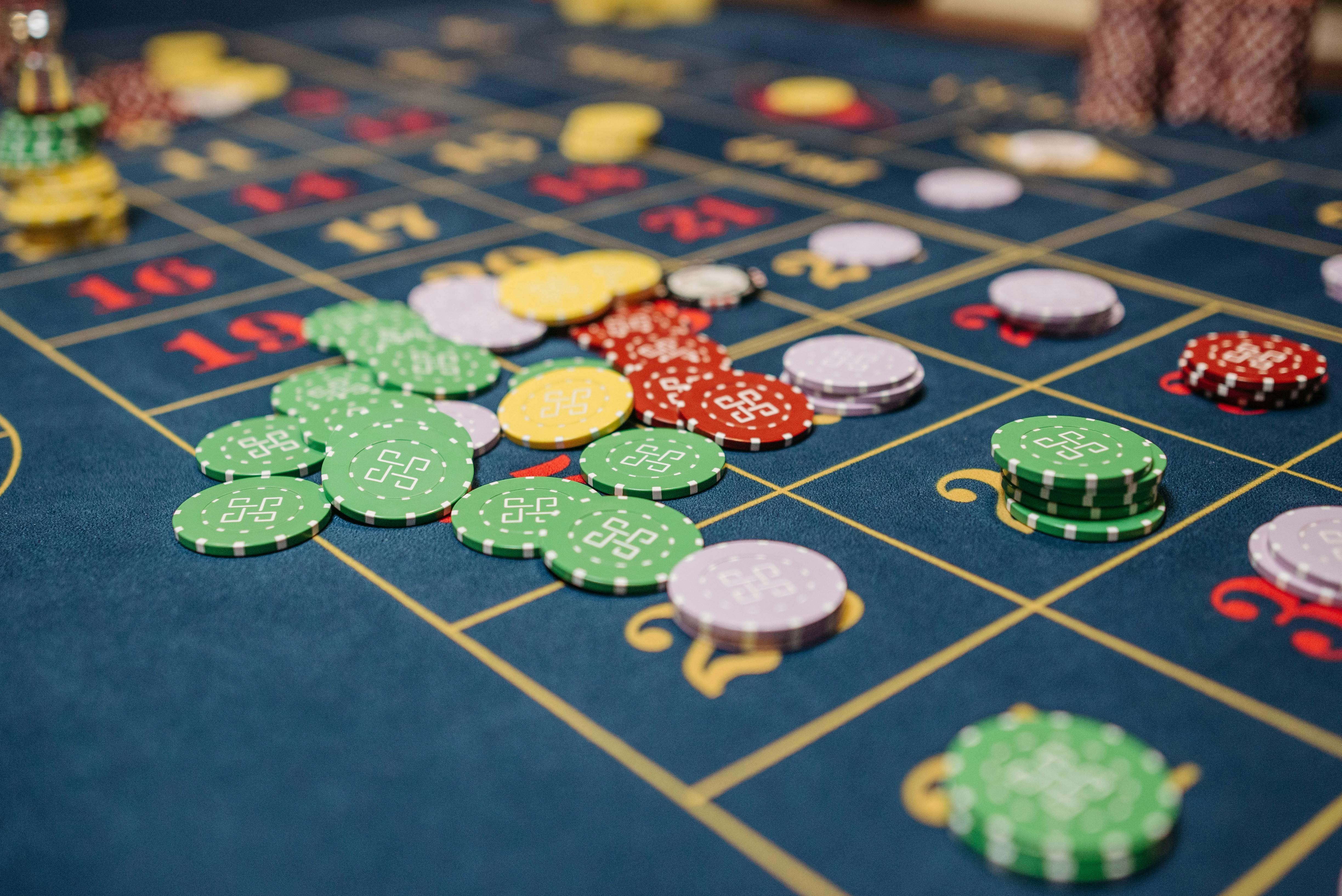
Furthermore, this excitement can be enhanced by the environment of the casino. The sights and sounds designed to captivate players’ attention, from flashing lights to celebratory sounds when winning, contribute to a sensory experience that makes gambling hard to resist. This stimulating atmosphere feeds into the psychology of risk-taking, where individuals may become motivated to chase the next big win.
The Role of Social Interaction in Casinos
Another psychological aspect of casino games is the social interaction they foster. Unlike solitary activities, casino games often involve multiple players, creating a communal environment that can lead to camaraderie and competition. People are naturally social beings, and engaging with others while gambling can enhance the enjoyment of the experience, making it more than just a financial endeavor.
Moreover, shared experiences, such as celebrating a win together or commiserating over a loss, can strengthen social bonds and provide a sense of belonging. This element of socialization plays a significant role in why people return to casinos, as the connections formed can be just as rewarding as the potential financial gains.
The Psychology of Winning and Losing
The psychological impact of winning and losing is crucial in understanding why we play casino games. Winning triggers the release of dopamine, the brain’s reward chemical, creating feelings of happiness and satisfaction. This biochemical reaction is so powerful that it can lead players to chase losses in hopes of recapturing the joy of a win, often leading to a cycle of gambling that is hard to break.
On the other hand, losing can also have a profound effect on players’ emotions. The feeling of disappointment can prompt individuals to seek revenge against the game, increasing their likelihood of returning to the casino in hopes of reclaiming their lost money. Understanding this cycle of winning and losing is essential for recognizing how casinos can become addictive and why players often find themselves drawn to the gaming floor.
The Influence of Cognitive Biases on Gambling Behavior
Cognitive biases play a significant role in gambling behavior, shaping how players perceive their chances of winning. For instance, the illusion of control can lead players to believe that they can influence outcomes based on their actions, despite the randomness inherent to many games. This belief can drive individuals to gamble more, thinking their decisions will yield favorable results.
Additionally, the availability heuristic leads players to remember their wins more vividly than their losses, skewing their perception of success. This cognitive distortion reinforces the idea that they can win again, maintaining their engagement in casino games. Recognizing these biases is vital for understanding the psychological factors that make gambling appealing and potentially dangerous.
Discovering the Future of Gambling Online
As technology evolves, the landscape of gambling continues to change, particularly with the rise of online casinos and betting platforms. These digital spaces provide a convenient and accessible way for players to engage in their favorite games. They often incorporate engaging graphics and interactive features that mimic the real casino experience, contributing to the overall thrill of gambling from the comfort of home.
Emerging trends in online gambling also include the integration of cryptocurrencies, enhancing user privacy and transaction speeds. As players seek out reliable and innovative platforms, understanding the psychological underpinnings of why we play will be crucial for both operators and players alike. The future of gambling will likely balance technological advancements with these deep-seated psychological factors, offering a comprehensive experience that appeals to the modern gamer.